- Software Gestor para Aquicultura
- Falar pelo WHATSAPP
- contato@despesca.com.br



10 Ways to Properly Manage Waste and Effluents in Your Production

10 Essential Production Metrics Every Shrimp and Fish Producer Must Monitor in Management Software
25/10/2025
The 10 Advantages of Integrating Your Farm with the Local Ecosystem
13/11/2025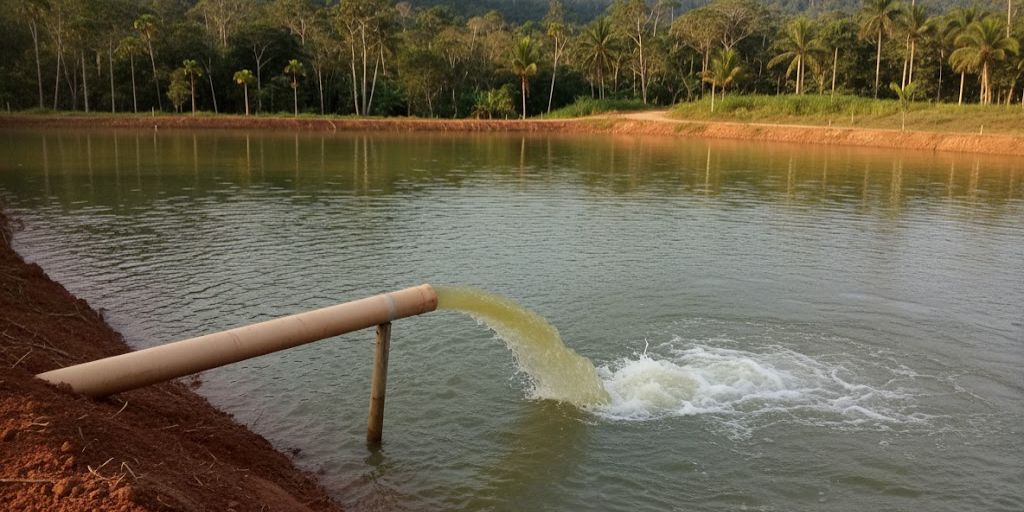
For shrimp and fish producers, managing waste and effluents in production is essential to ensure environmental sustainability and cultivation health. Proper handling of waste and effluents reduces negative environmental impacts and improves production efficiency, promoting the biosafety of the enterprise. The following are 10 important ways to properly manage waste and effluents in your production, highlighting technical and innovative practices.
1. Implementation of water recirculation systems
Recirculating Aquaculture Systems (RAS) are advanced technologies that allow water reuse after physical, chemical, and biological treatment. These systems filter out suspended solids, ammonia, and toxic compounds, maintaining oxygen levels for the aquatic environment. Typically, less than 3% of the total volume is renewed daily, saving water and reducing pollutant discharge. UV and ozonation disinfection eliminate pathogens, preventing diseases in high-density cultures.
2. Use of stabilization ponds with biofilter plants
Stabilization ponds use aquatic plants like macroalgae and mangroves as natural biofilters. These plants absorb and transform nutrients such as nitrogen and phosphorus into biomass, lowering pollutant loads and maintaining water quality. This natural treatment reduces the organic load and localizes effluent treatment.
3. Best management practices (BMP)
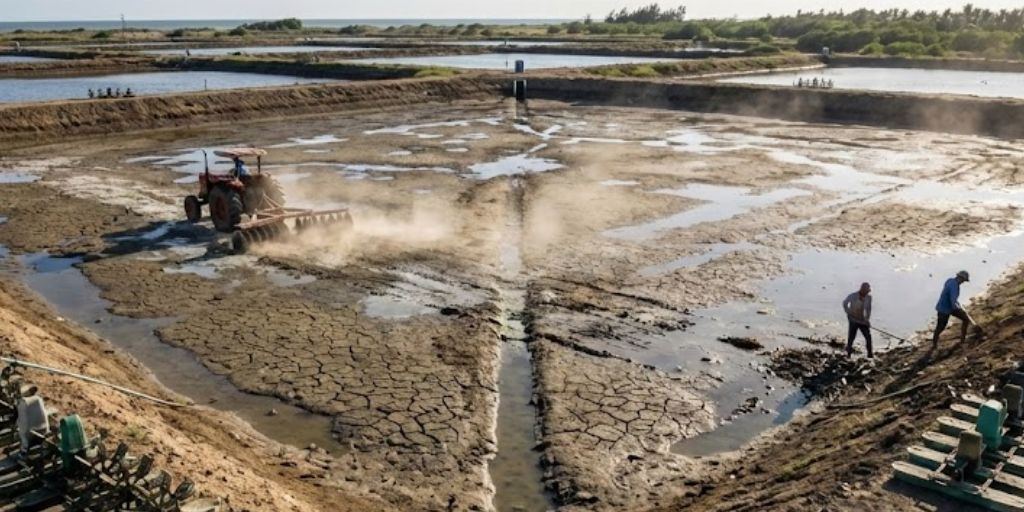
BMPs include reducing water renewal frequency to avoid wastage, ensuring adequate aeration to oxidize organic matter, and applying lime to regulate pH and stimulate beneficial microbial activity in sediments after harvest. Proper sediment management avoids anaerobic zones that produce toxic compounds.
4. Efficient effluent treatment
Effluent treatment to meet environmental standards involves mechanical clarification, chemical neutralization, and biological treatment stages (aerobic and anaerobic reactors) to degrade organic matter and nitrogen. This ensures pollutant load reduction and minimizes adverse effects on receiving water bodies.
5. Constant monitoring of water quality
Continuous measurement of parameters such as dissolved oxygen, pH, temperature, ammonia, nitrite, and suspended solids detects early changes. Automated sensors provide real-time data, enabling immediate adjustments to maintain system balance and organism health.
6. Reduction and segregation of solid waste
Separating solid waste from uneaten feed, feces, and plant material prevents contamination. Composting and anaerobic digestion transform organic waste into fertilizers or biogas, enabling recycling and proper disposal while controlling pathogen vectors.
7. Training and capacity building
Technical training on biosafety, equipment handling, and data interpretation ensures correct waste and effluent management practices. Skilled teams reduce operational errors and improve sustainability.
8. Automation and technology use
Automated systems monitor and control water flow, aeration, filtration, and chemical dosing. With AI and sensor networks, these technologies optimize management, increasing productivity and reducing risks.
9. Integrated environmental planning
An environmental management plan includes water conservation, soil use control, and impact mitigation according to legal norms to avoid liabilities and maintain compliance.
10. Promoting sustainability
Sustainable practices include water reuse, waste recycling, and integrated biological systems (e.g., aquaponics) that use nutrients for plant cultivation. Responsible chemical use and valuing waste as resource support cleaner, profitable production.